Preparing Commercial Roofs for Winter Freeze Cycles
As the vibrant autumn leaves begin to drop along the Wasatch Front, property managers and business owners know that our notoriously harsh winters are just around the corner. While we might look forward to hitting the slopes, the sudden temperature drops and heavy precipitation can wreak havoc on building infrastructure. For businesses, one of the most critical and often overlooked assets during this seasonal transition is the roof above their heads.
Commercial buildings present unique challenges compared to residential homes, primarily because they typically feature flat roofs. When temperatures plummet from late November through March, these expansive flat surfaces become incredibly vulnerable to the relentless freeze-thaw cycles that define our local climate. If water isn't properly draining off your building, a sunny afternoon can melt the previous night's frost, only for it to freeze solid again when the sun dips below the mountains.
At Roof Monster, we've seen firsthand how a little proactive maintenance in the fall can save business owners from devastating interior leaks, disrupted operations, and massive emergency repair bills mid-winter. Let's explore how you can protect your commercial membrane and ensure your building is ready to handle whatever the season throws our way.
The Threat of Freeze-Thaw Damage and Ice Damming
To understand why winter preparation is so vital, it helps to understand the physics of freezing water. When water turns to ice, it expands by about nine percent. If moisture has made its way into a small crack, seam, or puncture on your commercial roof membrane, that expansion forces the opening wider. When the ice melts the next day, the water seeps deeper into the newly enlarged crack. This vicious cycle repeats daily, rapidly turning minor surface wear into significant structural damage.
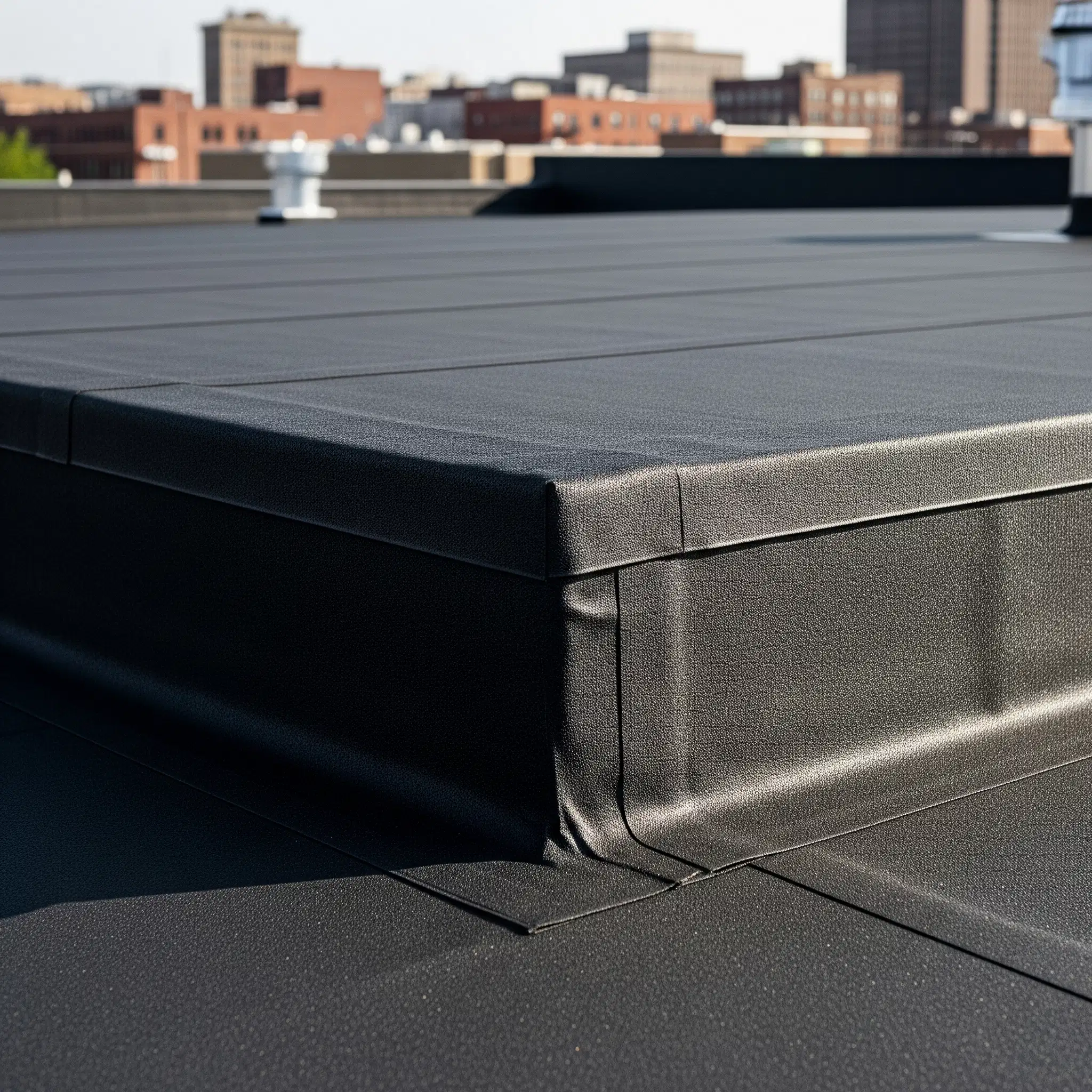
This is why freeze thaw commercial membrane protection should be a top priority for any facility manager. Modern commercial roofing materials, like TPO and EPDM, are incredibly durable, but they rely on watertight seams and proper flashing around roof penetrations to do their job.
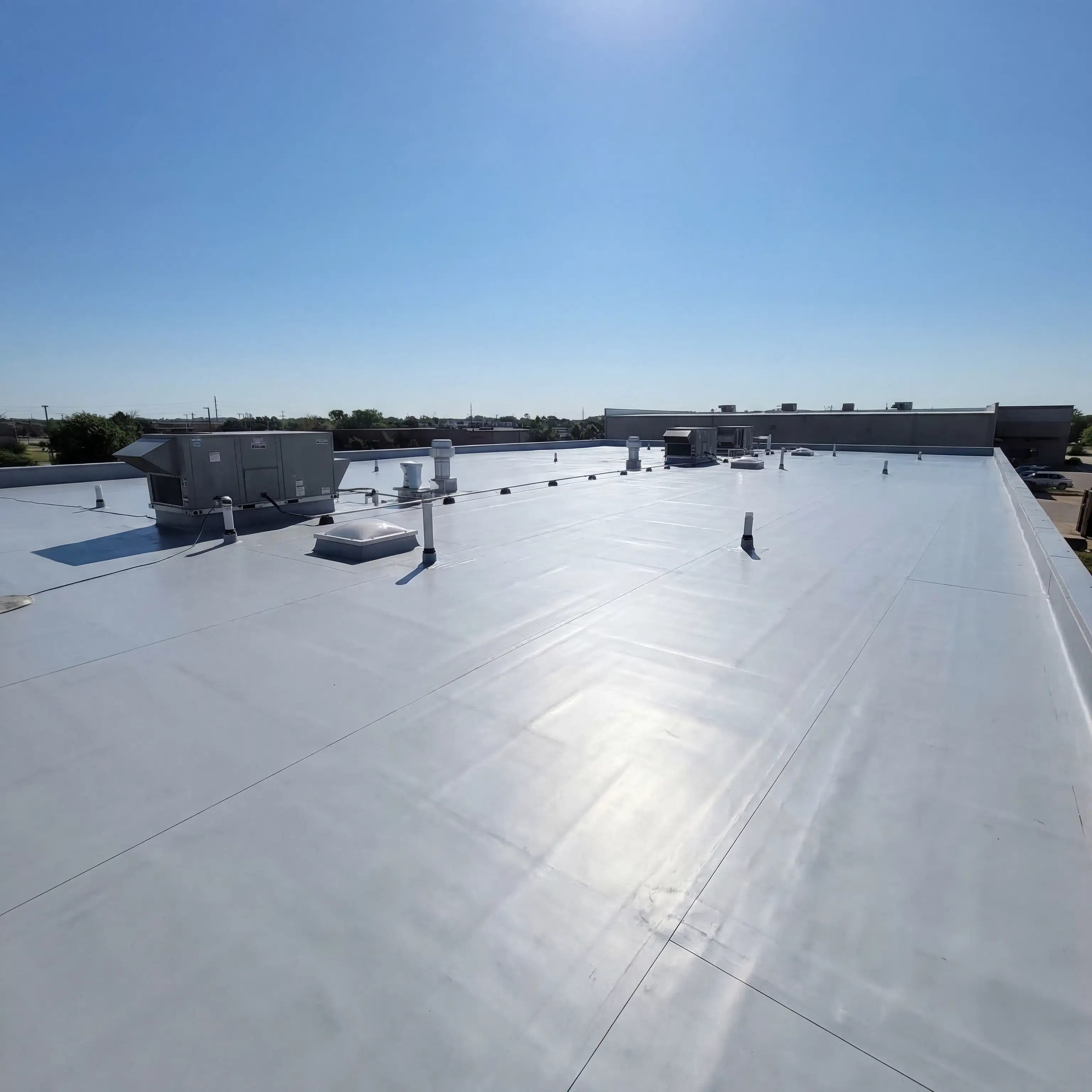
Another major winter threat is ice damming. While typically associated with sloped residential roofs, ice damming can severely impact commercial flat roofs, particularly around scuppers, internal drains, and downspouts. If these critical exit points freeze solid, melting snow on the main field of the roof has nowhere to go. It pools, freezes, and creates a massive, heavy block of ice that can back up under flashings and tear apart seams.
Your Commercial Roof Winterization Checklist
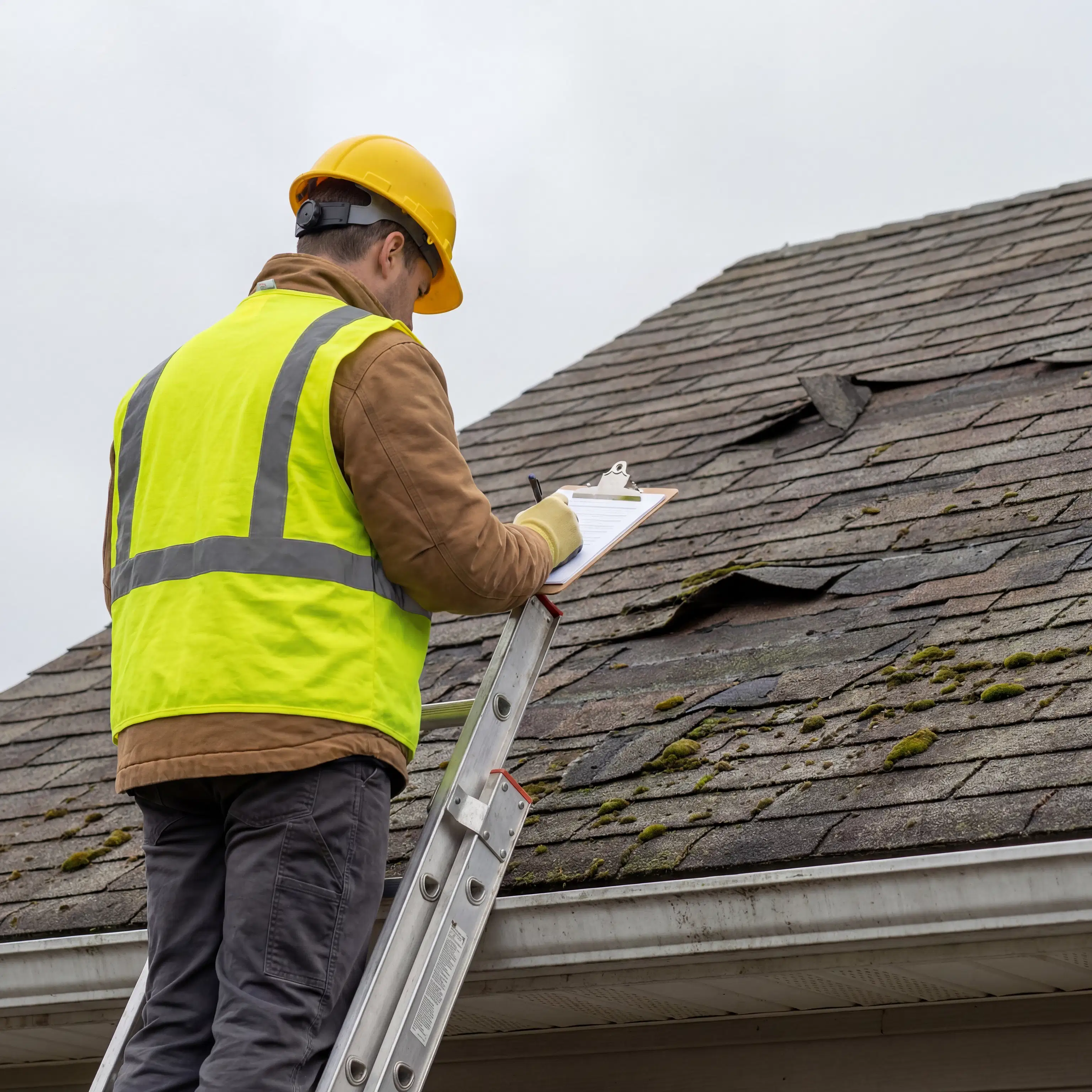
Taking a proactive approach before the first heavy snowfall is the most cost-effective way to manage your property. Executing a thorough commercial roof winterization checklist ensures that small issues are handled before they become mid-winter emergencies. Here is what a professional preparation process should entail:
- Clearing Debris and Optimizing Drainage: Fall leaves, twigs, and dirt accumulate rapidly on flat surfaces. If drains, scuppers, and gutters are clogged, they will inevitably freeze. Preparing flat roof drainage for snow load means removing all organic matter so that when the snow inevitably melts, the water flows freely off the building.
- Inspecting Membrane Seams and Flashings: Wind storms and intense summer UV exposure can degrade the adhesives and sealants around roof penetrations (like HVAC units, skylights, and vents). A professional inspection should identify and reseal any lifting seams or cracking caulking to prevent water intrusion.
- Checking HVAC and Roof-Mounted Equipment: Many local businesses still utilize large swamp cooler units or complex HVAC systems on their roofs. The curbs and flashings around these units are prime locations for leaks. Ensuring they are properly sealed before winter is crucial.
- Assessing Insulation and Attic Ventilation: Proper insulation prevents the warm air from your building's interior from heating the roof surface unevenly, which is the primary catalyst for melting snow that quickly refreezes at the colder edges of the roof.
Our team leverages advanced technology, including drone-based roof inspections, to safely and accurately assess the condition of your commercial property. This allows us to spot microscopic membrane damage that might be missed from the ground or a standard ladder inspection, ensuring nothing is left to chance.
Preparing for the Weight of Lake Effect Snow
We know that living and working in Northern Utah means dealing with heavy, moisture-dense lake effect snow. This specific type of snowfall puts an immense amount of structural weight on commercial buildings.
When snow accumulates on a flat roof, a cubic foot can weigh anywhere from 15 to 20 pounds. If drainage is blocked and the snow turns into a slushy, icy mix, that weight multiplies dramatically. Preventing flat roof ice dam formation and ensuring your drainage pathways are completely unobstructed isn't just about preventing leaks; it is about protecting the structural integrity of your entire building from dangerous weight overloads.
Waiting until a massive winter storm hits Farmington or the surrounding areas to realize your roof has drainage issues is a stressful and costly position to be in. Finding reliable contractors during the peak of winter can be incredibly difficult, and attempting repairs in freezing temperatures is dangerous and often less effective.
Secure Your Building Before the Snow Flies
Your commercial property is a significant investment, and the roof is its first line of defense against our demanding climate. By taking the time to complete a thorough winterization process now, you protect your inventory, your employees, and your bottom line from unexpected disruptions.
At Roof Monster, we specialize in high-quality commercial roofing solutions tailored to the unique demands of our local environment. We pride ourselves on deep industry knowledge, transparent communication, and comprehensive workmanship warranties that give you true peace of mind.
Don't let the next winter storm catch your business off guard. If you manage a property in Davis County and want to ensure your roof is prepared to handle the incoming freeze-thaw cycles and heavy snow loads, reach out to our expert team today. Contact us to schedule a comprehensive commercial roof inspection and keep your business safe and dry all winter long.