Don't Let It Pool: A Business Owner's Guide to Commercial Flat Roof Drainage
For business owners in Farmington, a commercial flat roof is a valuable asset. It protects your inventory, equipment, and operations from the elements. But one of the most silent and destructive threats to that asset is something that seems harmless: standing water. After a heavy rainstorm or during the spring melt, small puddles can turn into large pools, a problem known as ponding. This issue is more than just an eyesore; it's a ticking clock that can lead to catastrophic damage, costly repairs, and significant business disruptions. Understanding the causes of poor drainage and the solutions available is critical to protecting your investment and ensuring your building remains secure and dry for years to come.
The Hidden Dangers of Ponding Water
Ponding water is officially defined as water that remains on a roof surface for more than 48 hours. While a little bit of water after a storm is normal, persistent pools are a clear sign of a drainage problem. The consequences can be severe and compound over time.
First, there's the issue of weight. Water is incredibly heavy—a one-inch deep pool of water weighs over five pounds per square foot. A large ponding area can add thousands of pounds of stress to your building's structure, potentially leading to sagging, structural fatigue, and in the worst-case scenario, a roof collapse.
Second, constant moisture accelerates the deterioration of roofing materials. Even durable membranes like TPO and EPDM are not designed to be submerged indefinitely. Prolonged exposure to water can break down adhesives, degrade the membrane, and compromise seams. This leads to leaks, which can damage insulation, ruin drywall, and create the perfect environment for mold and mildew growth inside your facility. Many manufacturer warranties are even voided if ponding water issues are not addressed, leaving you to foot the entire bill for a premature roof replacement.
Common Causes of Poor Flat Roof Drainage
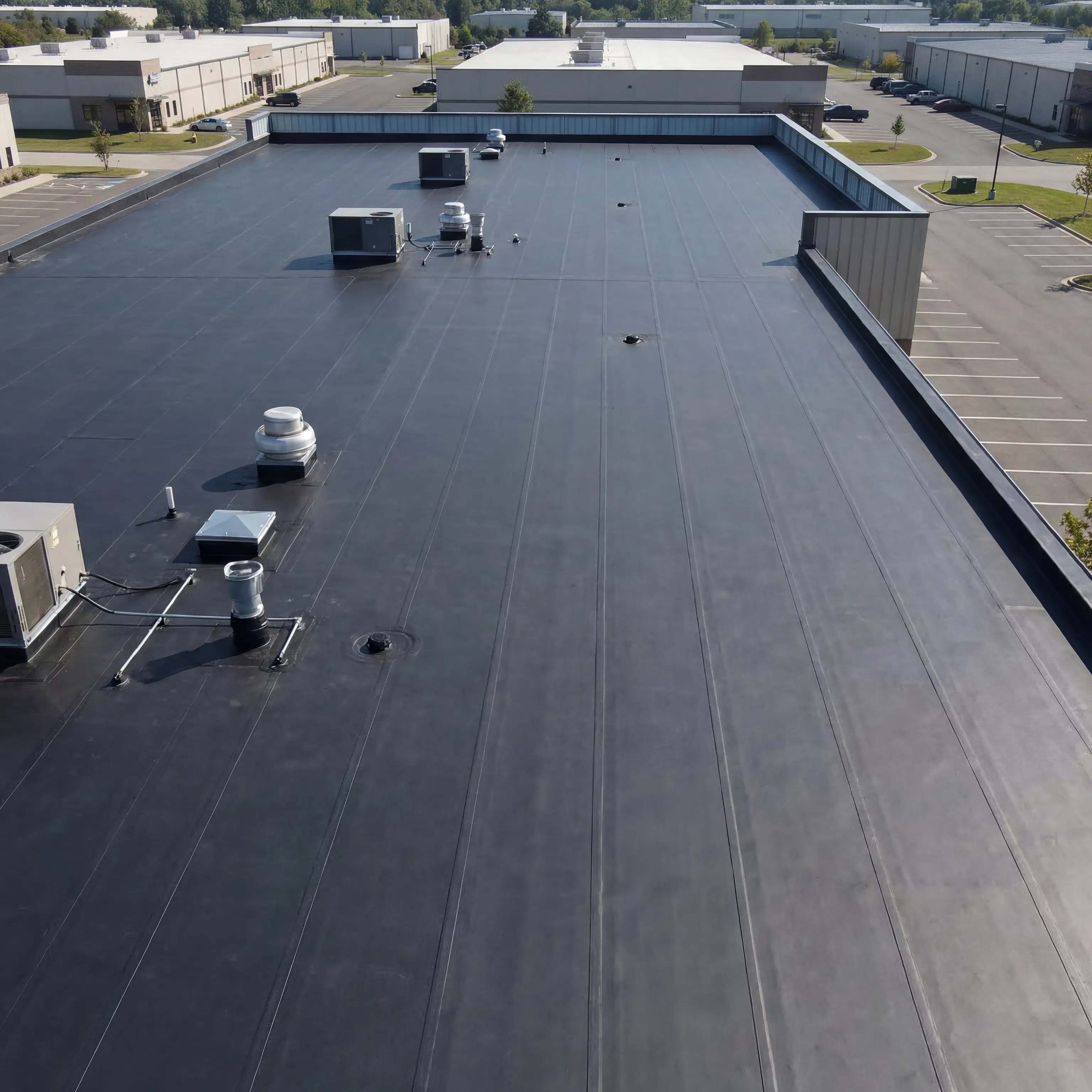
Effective drainage doesn't happen by accident; it's the result of proper design, installation, and maintenance. When water starts to pool, it's typically due to one or more of these underlying issues:
- Clogged Drains and Scuppers: This is the most common culprit. Leaves, dirt, trash, and other debris can easily block drains, internal leaders, and scuppers (the openings along the edge of the roof), preventing water from escaping.
- Improper Slope: A truly "flat" roof isn't perfectly flat. It should be designed with a slight, intentional slope (at least ¼ inch per foot) to direct water toward the drainage points. If the roof was installed without an adequate slope, water will naturally collect in low spots.
- Structural Settling: Over time, buildings can settle, or the roof deck itself can sag. This movement can create depressions and low spots that were not part of the original design, effectively creating shallow basins for water to collect.
- Rooftop Equipment: Heavy HVAC units, vents, and other rooftop equipment can compress the insulation and roof membrane beneath them over the years. This compression creates divots that are prime locations for ponding water.
Proactive Solutions for a Dry, Long-Lasting Roof
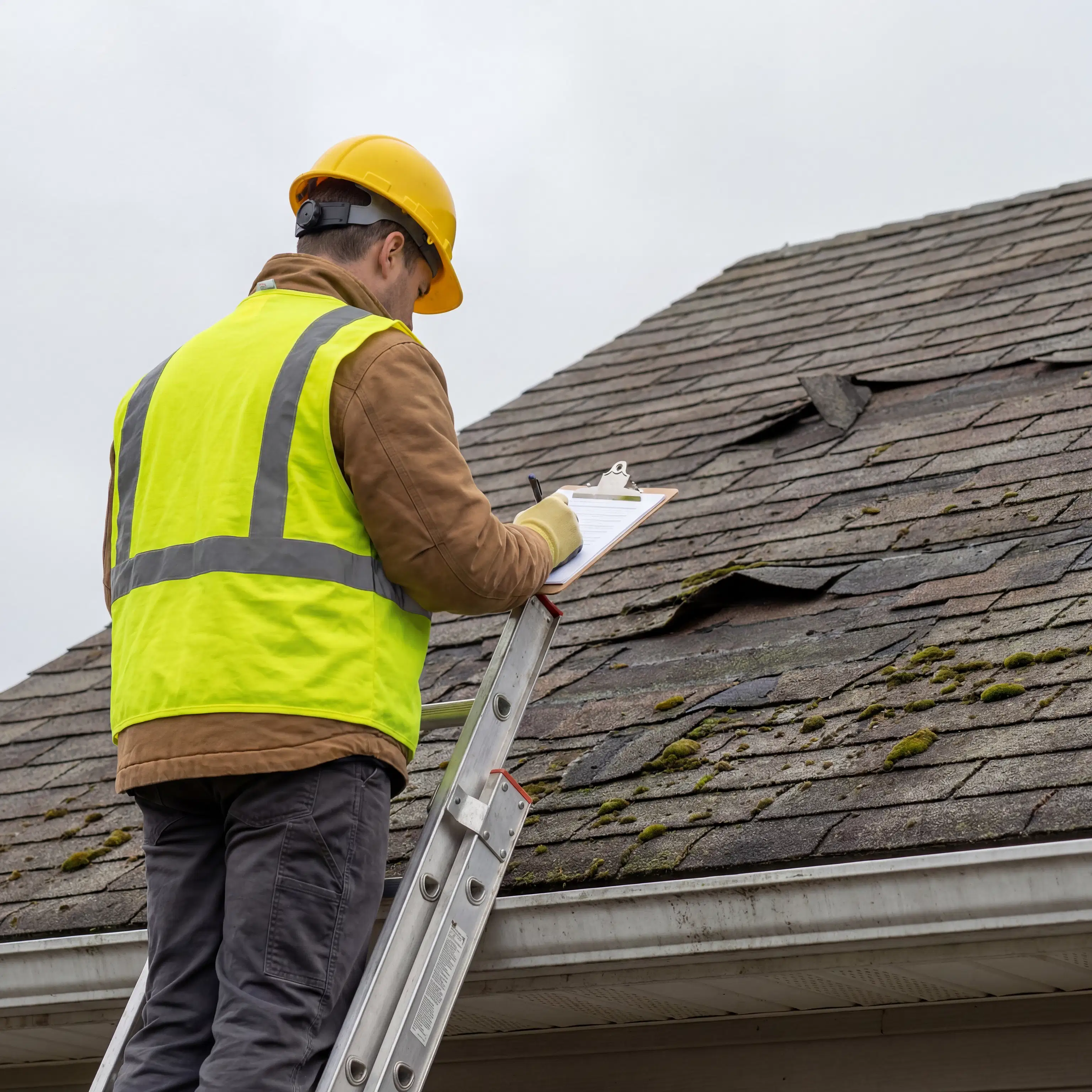
Fortunately, nearly all drainage problems can be corrected with the right professional approach. The goal is to create a clear, unobstructed path for water to exit your roof quickly and efficiently. Here are some of the most effective solutions for commercial flat roofs:
1. Consistent Maintenance: The first and most crucial step is a proactive maintenance plan. Regular inspections and cleaning of all drains, scuppers, and gutters will prevent the simple clogs that cause so many ponding issues. This is the single most cost-effective way to extend the life of your roof.
2. Improving the Slope: If the roof lacks an adequate slope, it can be corrected without a full replacement. A tapered insulation system involves installing rigid insulation boards that are cut to a specific angle, creating a new, positive slope on top of the existing roof deck. This is a highly effective way to guide water directly to the drains.
3. Adding More Drainage: In some cases, the original design simply didn't include enough drainage points for the roof's surface area. An experienced roofing contractor can strategically add new drains or scuppers in problem areas to improve water flow.
4. Installing Roof Crickets: A cricket is a double-sloped structure built on a roof to divert water around an obstacle, like a chimney or a large HVAC unit. By channeling water away from these areas and toward drains, crickets prevent water from becoming trapped and pooling.
Protect Your Investment with Expert Drainage Solutions
Along the Wasatch Front, our roofs have to handle everything from heavy lake effect snow to intense summer downpours. A robust drainage system isn't a luxury—it's a necessity for protecting your commercial property. Ignoring ponding water is a gamble that can lead to extensive damage and costly emergency repairs.
At Roof Monster, we specialize in diagnosing and solving complex drainage issues for businesses in Farmington and beyond. Our process begins with a thorough inspection to identify the root cause of the problem. From there, we design a customized, long-term solution, whether it's a comprehensive maintenance plan, a new tapered insulation system, or the installation of additional drains.
Don't wait for a small puddle to become a major problem. If you've noticed standing water on your roof, contact the experts at Roof Monster today for a professional commercial roofing assessment. Let us help you protect your asset and give you peace of mind.