A Business Owner's Guide to Flat Roof Maintenance
For commercial property owners in Farmington, a flat roof is a practical and common choice. However, unlike its sloped residential counterparts, a flat roof system requires a unique approach to maintenance to ensure its longevity and protect your business from costly disruptions. Overlooking its care can lead to serious issues like leaks, structural damage, and premature failure, turning a valuable asset into a significant liability. Proactive maintenance is not just a recommendation; it's an essential strategy for protecting your investment.
This guide will walk you through the essentials of flat roof care, from understanding its specific vulnerabilities to creating a maintenance checklist that works. We'll cover the common signs of trouble and explain why professional inspections are critical to catching problems before they escalate, ensuring your commercial property remains secure and dry year-round.
Why Flat Roofs Need Special Attention
The primary challenge for any flat roof is drainage. While they aren't perfectly flat—they have a slight slope to direct water—they don't shed water and snow as efficiently as pitched roofs. This design makes them susceptible to a problem known as "ponding water," where water accumulates in low spots for extended periods. Ponding water is a flat roof's worst enemy. It accelerates the deterioration of the roofing membrane, adds significant weight stress to the building's structure, and can eventually find its way through the smallest seam or puncture, causing leaks.
Here along the Wasatch Front, our weather adds another layer of complexity. The intense summer sun can cause roofing materials to expand and contract, leading to cracks and brittleness over time. In the winter, heavy lake effect snow can create immense weight loads and contribute to ice dams, which prevent proper drainage and force water under the membrane. These environmental factors make regular, diligent maintenance absolutely critical for any commercial flat roof system.
Your Essential Flat Roof Maintenance Checklist
Staying ahead of potential issues is the most cost-effective way to manage a flat roof. By incorporating a simple, routine checklist into your property management plan, you can extend the life of your roof and prevent unexpected emergencies. We recommend performing these checks at least twice a year, typically in the spring and fall.
- Clear Away Debris: Leaves, branches, dirt, and other debris naturally accumulate on a roof. This buildup can clog drains, scuppers, and gutters, which is the leading cause of ponding water. Regularly clearing the roof surface is the first and most important step.
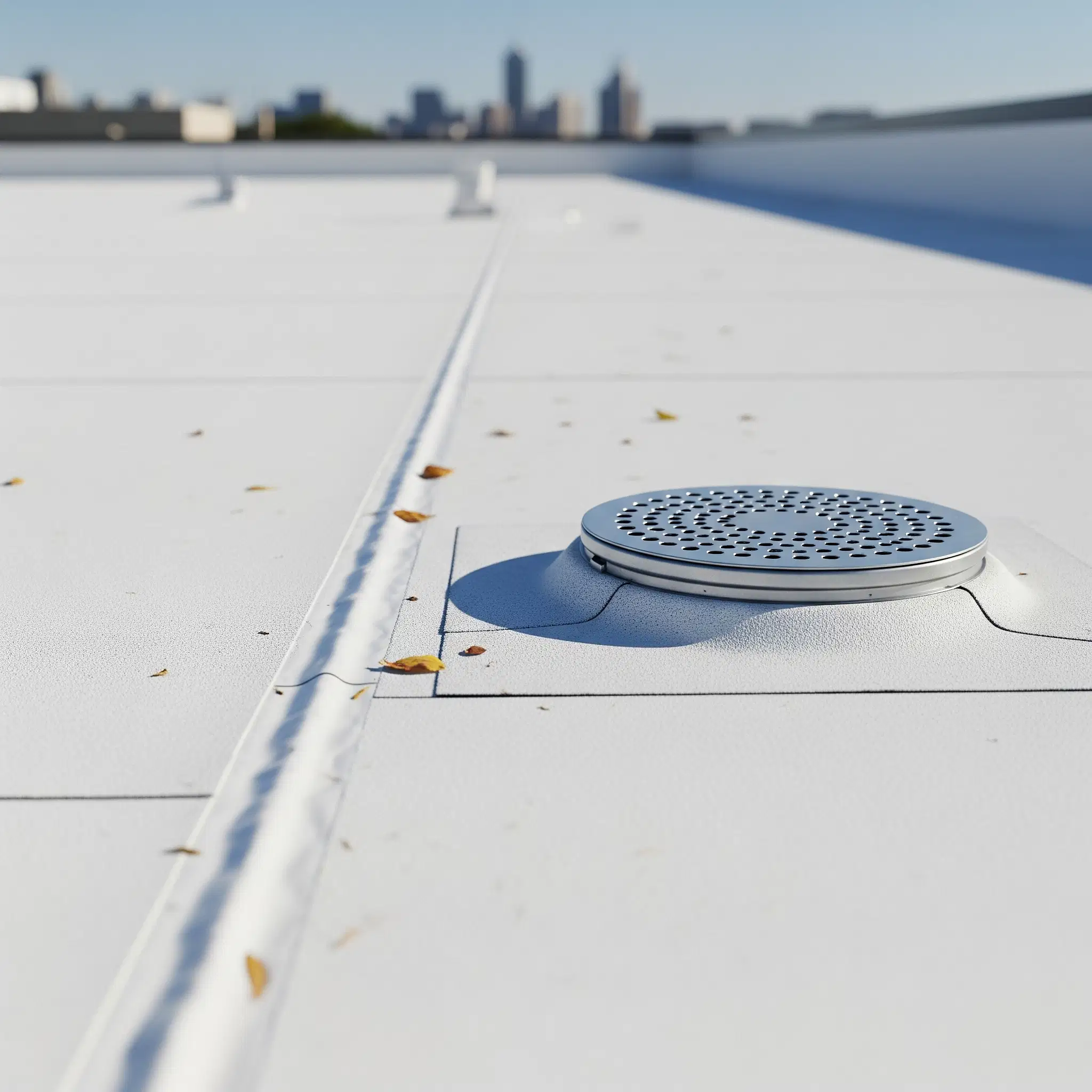
- Inspect Drains and Scuppers: After clearing the surface, ensure all drainage points are free-flowing. Check that drain covers are secure and that water can exit the roof without obstruction.
- Examine the Membrane Surface: Carefully walk the roof and look for any signs of damage. This includes blisters, cracks, punctures, or areas where the membrane appears to be pulling up at the seams. Pay close attention to areas with heavy foot traffic.
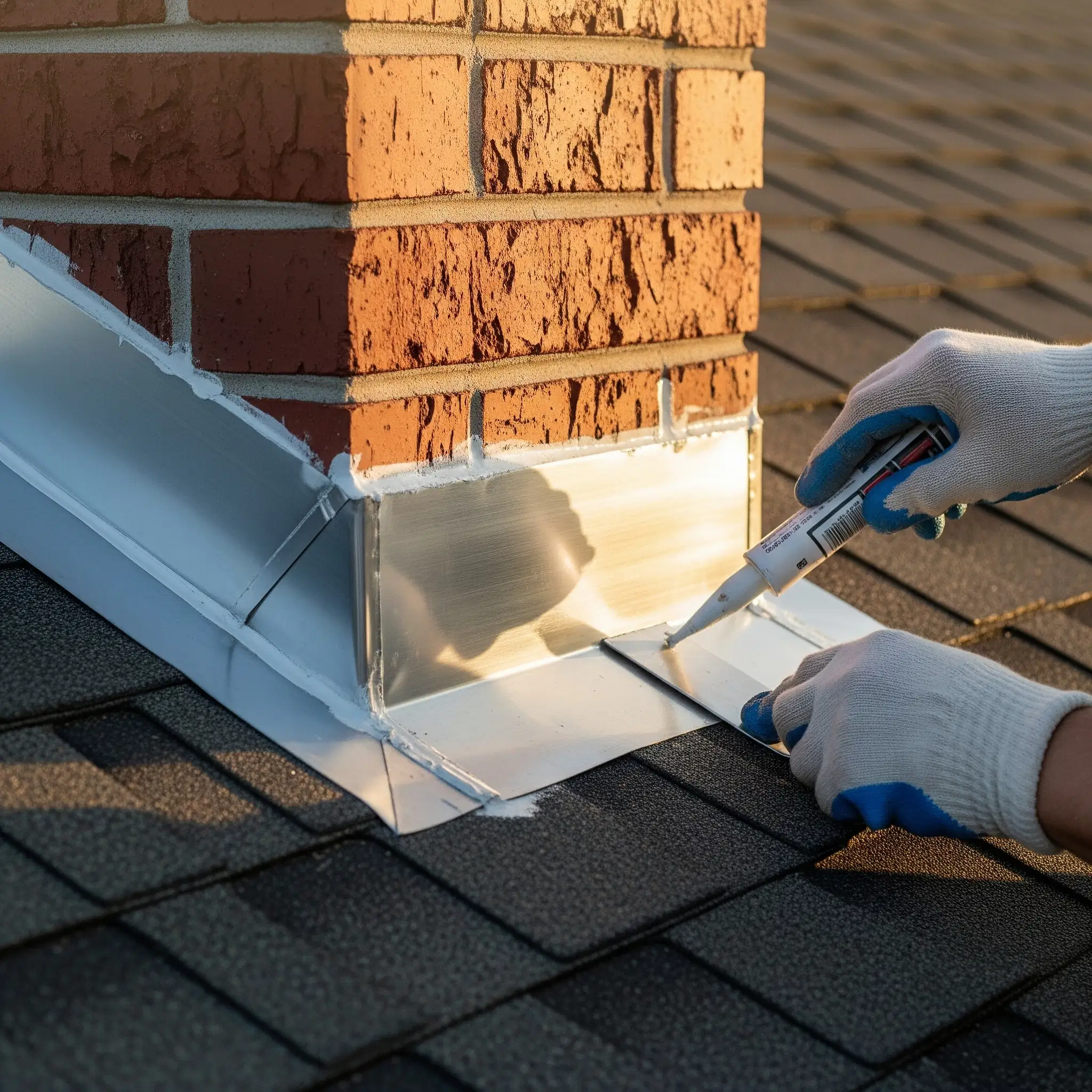
- Check Flashing and Seals: The points where the roof meets walls, vents, pipes, and HVAC units are sealed with flashing. These are the most common areas for leaks to develop. Inspect these seals to ensure they are intact, without any gaps or cracks.
Recognizing When to Call a Professional
While routine cleaning and visual checks are great for preventative care, some issues require the expertise and equipment of a professional roofing contractor. Knowing when to make that call can save you thousands in the long run.
Persistent Ponding Water: If you notice water standing on your roof for more than 48 hours after rainfall, it's a clear sign of a drainage issue. This could be caused by a clog, but it might also indicate a more serious structural problem like sagging or improper slope. A professional can diagnose the root cause and provide a lasting solution.
Visible Leaks or Interior Water Stains: The moment you see evidence of a leak inside your building, it's time to call for an emergency inspection. Water intrusion can lead to damaged inventory, mold growth, and compromised structural integrity. Don't wait for it to get worse.
Significant Membrane Damage: While a tiny puncture might seem minor, it can compromise the entire system. Large blisters, long cracks, or seams that are visibly separating are urgent issues that demand professional repair to prevent widespread failure. Attempting a DIY fix on modern roofing membranes can often do more harm than good.
Protecting your commercial roofing system is about more than just fixing leaks; it's about ensuring the continuity of your business operations. A professional inspection can identify these problems early and provide expert repairs that stand the test of time.
Protect Your Commercial Property with Roof Monster
Your commercial property is one of your most significant investments, and its roof is the first line of defense against the elements. Proactive maintenance is the key to maximizing the lifespan of your flat roof and avoiding the high costs and disruptions associated with unexpected failures. By conducting regular inspections and addressing minor issues promptly, you ensure your building—and your business—remains protected.
If you have concerns about your building's roof or want to establish a professional maintenance plan, the experts at Roof Monster are here to help. We specialize in flat roof systems and provide comprehensive inspections and repairs for businesses throughout the Farmington area. Contact us today to schedule an assessment and gain the peace of mind that comes with knowing your property is in expert hands.